


We’ll help you pitch it.
Don't spend hours trying to explain why you need to be here. Download our "Permission Slip for Adults" (aka our Justification Toolkit), add your info, and hit send.
Bringing the whole team? Bulk pricing is available for groups of 10 or more. Email events@thenapd.org to lock in group rates. Exclusive to NAPD members.
Don't spend hours trying to explain why you need to be here. Download our "Permission Slip for Adults" (aka our Justification Toolkit), add your info, and hit send.
We are pleased to announce that this program is Approved by the National Association of Social Workers (Approval # 886791803-1473) for 11 continuing education contact hours. Only sessions listed as eligible for continuing education are eligible for continuing education credit. If there are concurrent sessions, only one session per time slot is eligible as listed. To receive your continuing education certificate, registrants must purchase an add-on CEU ticket.
More to Come! We’re busy finalizing an incredible lineup of interactive workshops and expert speakers. We’ll be adding new sessions as they are locked in, so check back often for updates.
| Time | Session Information |
|---|---|
| 10:00 AM - 11:00 AM |
Opening Session
Stay tuned! More information coming soon.
|
| 11:00 AM - 11:15 AM |
Break
|
| 11:15 AM - 12:15 PM |
The Power of Narrative: Writing Mitigation Reports that Matter (CEU Eligible)
Learning Objectives:
Beyond the Police Report: Finding What the Police Investigation Missed
Drawing from the experience from former law enforcement and military law enforcement member, and now as a public defense investigator, this session explores how defense investigators can look beyond the written police report and critically examine how an investigation was conducted. Participants will learn practical techniques for identifying inconsistent, overlooked evidence, unanswered questions, and investigative steps that may have been missed. Through real-world examples and an interactive case exercise, investigators and others will learn to ask one critical question: What should have happened next? Learning Objectives:
Finding Your People: Mentorship, Advocacy, and Support in the Office
"Finding Your People," helps professionals build a support system at work without the awkwardness of asking someone to "be my mentor." Through quick self-reflection, participants figure out what kind of guidance and encouragement they actually need. They will learn how to spot different types of workplace champions—from seasoned guides and influential advocates to everyday work friends who keep morale high—and practice easy, low-pressure ways to start those conversations. The session wraps up with real-world practice and a simple, step-by-step action plan to take back to the office. Learning Objectives:
The Neuroscience of Sustainable Leadership: Building Resilient Public Defense Teams (CEU Eligible)
A leader’s nervous system becomes part of the work environment. Before leaders communicate strategy, assign work, or establish policy, they communicate a physiological signal. Through tone, pace, facial expression, attention, availability, and responses to mistakes, leaders signal either threat or safety. Those signals affect how people think, decide, communicate, learn, and recover. Leadership is therefore not merely an administrative function. It is a biological and relational force that can either increase a team’s cognitive capacity or steadily diminish it. Sustainable leadership is not about teaching public defense professionals to tolerate more pressure. It is about creating the neurological, relational, and organizational conditions in which people can continue to perform meaningful work without sacrificing their health, judgment, humanity, or professional commitment. Learning Objectives:
|
| 12:15 PM - 1:30 PM |
Lunch
|
| 1:30 PM - 2:30 PM |
AI for Court Social Workers & Staff: Ethical and Responsible Use (CEU Eligible)
This workshop is specifically designed for court and forensic social workers and related staff to explore the ethical and responsible use of artificial intelligence (AI) in forensic and court-related practice. The session examines the fundamentals of AI technology, highlighting its applications, benefits, limitations, and potential risks within legal and justice settings. Participants will gain an understanding of how AI can enhance efficiency, save time, and support professional responsibilities such as report writing, psychosocial assessments, case organization, research, resource development, court preparation, policy review, and administrative tasks, while recognizing the importance of maintaining professional judgment in high-stakes decision-making. The workshop addresses critical ethical and legal considerations, including confidentiality, privacy, data security, bias, transparency, documentation, informed use, and the appropriate boundaries of AI in forensic practice. Participants will also examine agency and court policies, discuss the admissibility and reliability of AI-generated information, and learn practical strategies for using approved AI tools responsibly while protecting client rights and maintaining the integrity of the judicial process. Through live demonstrations and hands-on exercises using tools such as Gemini, Microsoft Copilot, and other approved AI platforms, participants will gain practical experience applying AI to realistic court and forensic social work scenarios. Learning Objectives:
The Client’s Standard of Normal May Not Match Your Own
This will be a story telling session with real life examples to highlight the need for confidentiality during fact and mitigation witness interviews, using person-first language in the legal world to avoid unintentionally making judgements and assumptions that may impact the investigation, and re-emphasizing the importance of not imposing our personal definition of normal on clients and witnesses. Learning Objectives:
Holding Space for Abolition and Law Enforcement in Your Home
As criminal defense advocates most of us also hold abolitionist values. This presentation will explore ways to navigate these complex feelings with our loved ones who are across the aisle without compromising or pausing our abolition. Learning Objectives
Frictionless Defense: How to do Your Best Work Within an Interdisciplinary Team
This presentation will cover the makeup of an interdisciplinary defense team, define the roles and responsibilities of each member, and discuss how to navigate the communication required to effectively represent clients and support the strongest possible defense. This presentation is best suited for Investigators, Social Workers, Mitigation Specialists, and Holistic defense advocates. Learning Objectives:
|
| 2:30 PM - 3:00 PM |
Break
|
| 3:00 PM - 4:00 PM |
Building a Case of Trust: Engaging Black Men in Their Legal Defense (CEU Eligible)
This presentation highlights the critical importance of building trust to effectively engage Black men as active partners in their legal defense. Understanding the unique historical, cultural, and systemic contexts impacting Black men’s interactions with the justice system, public defenders can foster deeper client collaboration, improve communication, and ultimately strengthen defense outcomes. Participants will gain practical strategies to develop authentic relationships built on respect, empathy, and cultural awareness, empowering Black male clients toward informed decision-making and better legal experiences. Learning Objectives:
Wednesday is Website of the Week Day Recap
Most Wednesdays this past couple of years or so, Jon has provided websites that would be immediately usable to his fellow investigators throughout the US. He will share some of his favorite new websites and how they can be best utilized for your cases. Great for the whole team! Come join us! Learning Objectives:
Managing Up in Public Defense
This course provides a framework for navigating professional relationships by defining how to actively manage interactions with supervisors (managing up), colleagues (sideways), and those outside one's direct chain of command (diagonally). It emphasizes the critical importance of effective communication for professionals to ensure alignment with leadership and avoid ethical breaches or complications with the Bar. Participants gain practical tools to improve workplace efficiency, including “the Five Ws" for task clarity, "One-Minute Emails" for streamlined proposals, and strategies for middle managers to act as effective bridges. Learning Objectives:
|
| 4:00 PM - 4:15 PM |
Break
|
| 4:15 PM - 5:15 PM |
Leading From Within: A Strategic Approach to Non-Attorney Professional Growth in the Legal Field (CEU Eligible)
The legal field runs on people who never sat for the bar. This session gives them the strategy the field forgot to hand them. Participants learn to read law as what it is, a conflict-based profession by design and to separate the structural stress, trauma exposure, and compliance risk of the work from ordinary professional friction. From there, the session locates each participant's professional sweet spot: the intersection of legal knowledge, pipeline and case oversight, and business operations where a non-attorney becomes indispensable. Growth happens in three places at once, doing what needs doing outside the office, asking for what you need inside it, and tracking the office's own needs while you do both. Burnout prevention, communication as a trained muscle, and a Strategic Wellness Career Plan built with the same rigor as a business plan are what make it last. Participants leave with a mastery target, a thirty-day system to own, and the first component of a plan that treats their wellness and their career as one document. Learning Objectives:
|
| Time | Session Information |
|---|---|
| 10:00 AM - 11:00 AM |
Building a Freer Future: Youth Defense Advocates Bridging to Community (CEU Eligible)
Defense advocates play a critical role in creating pathways to community alternatives to court intervention. And when young people face legal charges, defense team members have an opportunity to build bridges to developmentally and culturally competent community supports. This session will include an overview of the research and data on harms of court intervention in the lives of young people, the developmentally informed jurisprudence bolstering youth rights, and the narrative shifts possible when focusing on system accountability. Additionally, participants will consider how collective action across advocacy communities can bolster individual and policy outcomes. Learning Objectives:
|
| 11:00 AM - 11:15 AM |
Break
|
| 11:15 AM - 12:15 AM |
Fireside Chat with "Mitigating Gideon" Author (CEU Eligible)
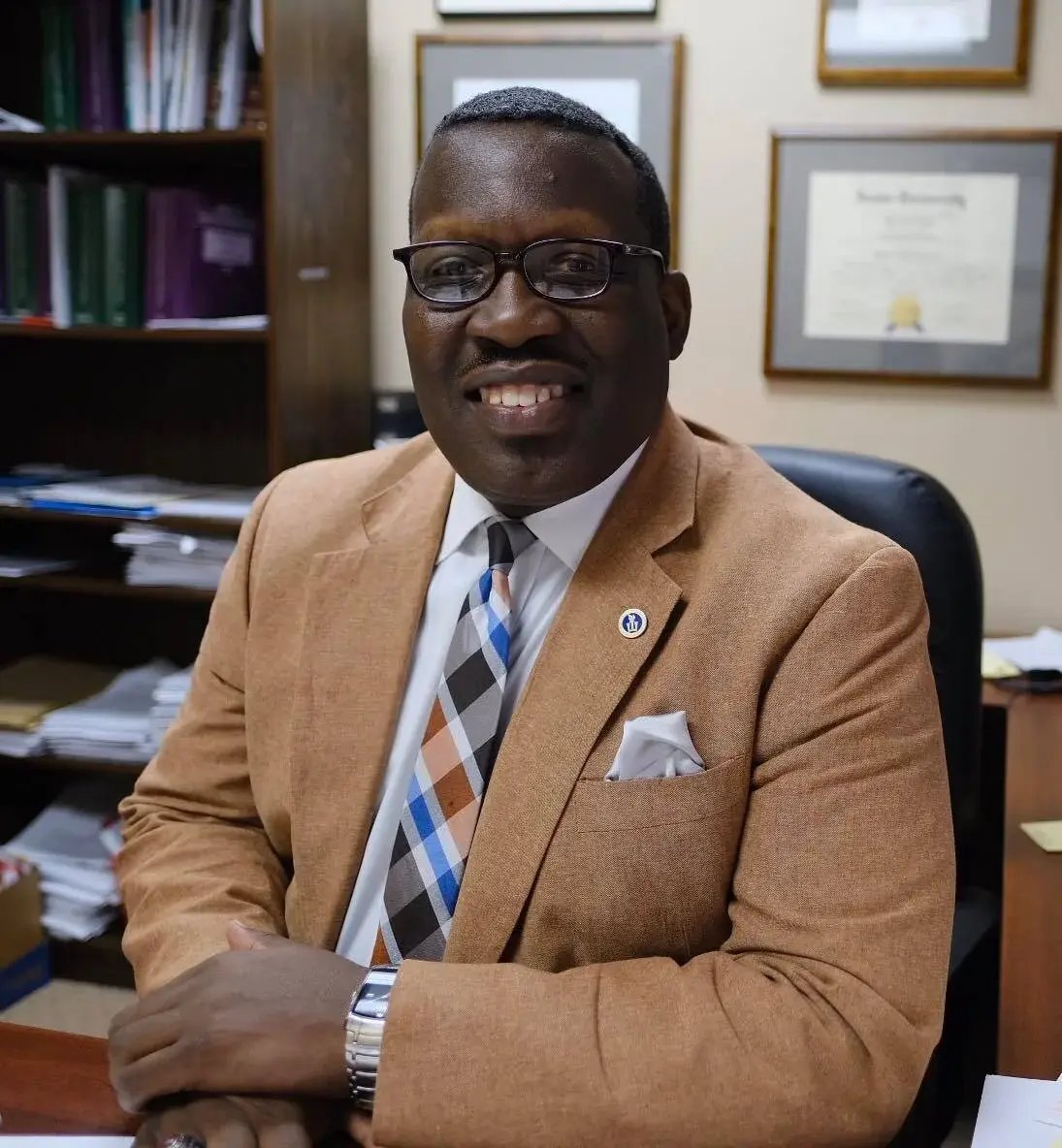
Join author Donavan Bailey to discuss his new book, Mitigating Gideon: Revisiting the Public Defender and Its Role in an Equitable America. In an informative fireside chat with the author, we will explore his culturally competent mitigation model, how public defenders and specifically mitigation specialists uphold justice, and his vision for all public defenders to drive equity in a challenging social justice landscape. Learning Objectives:
Making the Most of the Interview
Getting the information is what we do, but how can we make the most of getting the information? Let's talk about preparing for interviews to get the maximum information and some of the challenges we experience. Iron sharpens iron by haring techniques and practices. Learning Objectives:
Precision Prompting and Practical AI Strategies for the Defense
As generative artificial intelligence (“GenAI”) applications become increasingly integrated into legal practice, criminal defense teams must develop competencies that extend beyond basic tool familiarity. This presentation examines prompt engineering as an essential, emerging skill for public defense. Attendees will discuss the intentional and iterative design of GenAI prompts to improve efficiency, relevancy, and accuracy. The presentation also addresses the role of critical thinking and verification when using GenAI in a legal setting.
Not Throwing Away My Shot: Developing Your Reputation as a Non-Attorney
Non-lawyers play an essential role in public defense, bringing unique perspectives and valuable skills to their teams and clients. In this session, we’ll discuss the opportunities and challenges non-lawyers face when shaping their professional reputation. Whether you’ve been in public defense for years or are just getting started, you’ll find practical strategies for presenting yourself authentically, building trust, and highlighting your strengths. This session will focus on real experiences and core values that help non-lawyers stand out as effective advocates and collaborators. Join us in a welcoming and supportive space to connect with others, share what works, and discover ways to develop your reputation with confidence and integrity. Learning Objectives:
Code of Respect: Cultural Competence in the Trenches of Public Defense
Cultural competence isn't a checklist — it's what happens in the first jail visit, the first phone call, the moment a client decides whether to trust you or shut down. This session cuts through the theory and gets honest about what respect actually looks like in the field: how culture shows up in silence, in family dynamics, in a witness who won't talk, and in the assumptions, we bring into the room without realizing it. Attendees will leave with practical communication tools for interviews and community engagement, frameworks for recognizing bias under pressure, and a clearer understanding of how intent and impact aren't always the same thing — and what to do when they're not. Learning Objectives
|
| 12:15 PM - 1:30 PM |
Lunch
|
| 1:30 PM - 2:30 PM |
Narrative Therapy Techniques & Mitigation (CEU Eligible)
“The person is not the problem; the problem is the problem." - Michael White, Co-founder of Narrative Therapy Narrative therapy is a non-judgmental, non-blaming therapeutic approach and guiding set of principles used to understand how an individual makes sense of their lived experiences and identity. It differentiates individuals from their problems and assumes everyone has skills, competencies, values, and abilities that will support them as they work to reduce the influence problems have in their lives. Within this framework, individuals are centered as the expert in their own lives and the therapist is a collaborator in uncovering stories that have shaped their understanding of who they are and how they have come to be where they are today. Understanding and deconstructing stories that have dominated an individual's life is critical. The stories we tell ourselves and the stories told by others shape our thoughts, feelings, and actions. Dr. Stephen Gaddis asserts, "Stories can be understood as quite powerful in that they help create or constitute reality. However, this then raises questions about how certain stories become dominant and others are subjugated. One answer is that stories emerge through histories of negotiations and contests between people, where some people have their stories privileged and some people have their stories disqualified...Problems are understood to result from the effects that emerge in the relationships between people and stories." The techniques employed in narrative therapy can be used by anyone, whether or not a trained therapist. These include externalization (separating the individual from their problem), deconstruction (breaking down dominant narratives shaped by individual, familial, social and cultural influences), and re-authoring exercises (creating positive narratives that highlight skills and strengths the individual may not have previously recognized). We will practice interviewing using these tehcniques (structure will be based on number of participants) so each person can take the role of interviewer, observer, and client. We will also complete a Narrative Therapy Tree of Life which is a great tool to use when meeting new clients. When it comes to mitigation and storytelling, our clients have often had their stories told several times and rarely by them. We may receive thousands of pages of records with information others have reported about the individual, but the individual is not the author. As mitigation specialists, social workers, and defense team members, we have a unique opportunity to help tell our client's story in a way that has likely not been done before. We can uncover what dominant stories shape their understanding of who they are and what they have done, why they relate to themselves the way they do, and offer an insight into future decision-making. At the same time, this approach to interviewing helps the individual re-author their stories through the recognition of missing plot lines/context, break larger narratives into smaller, less overwhelming pieces to examine, and identify times they beat the problem. This allows us to gain exceptional insight for mitigation while also challenging our client's negative beliefs about themselves through recognition of their strengths. This new understanding and way of relating to ones' self offers healing and hope that extends beyond the scope of our work. Learning Objectives:
Fearless Boundary Setting: A Framework for Burnout Prevention
If you are one of the many who find themselves experiencing burnout, a framework of fearless boundary-setting can help bring you from over-functioning and exhausted to effective and on-the-ball by allowing you to protect your peace! Learn how to identify your functioning limits in order to set appropriate boundaries for you and your role; learn to clearly and directly communicate the "what" and "why" of your boundaries with supervisors, coworkers, and clients, to mediate conflict, and to maximize opportunities for self-care and prevent burnout. Learning Objectives:
Asked and Answered… Or was it? Recognizing Communication and Cognitive Red Flags in Your Clients (CEU Eligible)
A client gives an answer—but did they understand the question? Are they being evasive, or struggling to process language, organize a response, remember information, or manage the effects of trauma or brain injury? These distinctions matter. This session will explore communication and cognitive red flags that may emerge during early client encounters, including behaviors easily mistaken for noncompliance, disinterest, or poor credibility. Attendees will learn practical strategies for improving communication, recognizing when speech and language may mask impairment, and determining when observations warrant referral to a speech-language pathologist, neuropsychologist, or other specialist. Learning Objectives:
|
| 2:30 PM - 3:00 PM |
Break
|
| 3:00 PM - 4:00 PM |
How Clients are Using AI: Implication for Court Social Workers and Staff (CEU Eligible)
As artificial intelligence (AI) becomes increasingly integrated into everyday life, court and forensic social workers are encountering clients who use AI for mental health support, legal information, parenting guidance, education, employment, safety planning, decision-making, and even AI companion relationships. This workshop explores how client use of AI is shaping assessment, intervention, documentation, and court-related practice while examining the ethical, clinical, and legal implications of AI-generated information, misinformation, bias, privacy, digital evidence, and overreliance on AI. Participants will learn practical strategies for assessing clients' AI use and responding to emerging ethical challenges, and supporting clients in using AI safely and responsibly while protecting client rights and maintaining the integrity of the judicial process. Learning Objectives:
OSINT in the Age of AI
In the ever-changing digital age, looking for online and social media evidence is essential to any criminal defense investigation. This session will cover the latest techniques and tools to help trial teams confidently navigate digital pursuits for useful information in 2026. Participants will learn the latest search engine hacks, AI tools, advanced social media search strategies and resources to enhance your examinations. Investigators, paralegals and other defense team members will receive practical guides, handouts, and a curated collection of OSINT bookmarks to use in their own cases. Learning Objectives:
Effectively Representing Muslim Clients (CEU Eligible)
This course will train participants on the knowledge and skills necessary to effectively engage with and advocate for Muslim clients. Attorney Safa Peera will offer an overview of unique cultural/religious practices that are key to representing Muslim clients effectively; instruct on areas where Muslim clients may require accommodations; and explain the importance of gaining such insight by appreciating the over representation of Muslims in the criminal system and their contributions to expanding the rights of incarcerated individuals. Learning Objectives:
Kaizen for Public Defenders
Stay tuned! More information coming soon.
Built to Defend: Designing Sustainable Public Defense Organizations: Why organizational wellness is an operating system—not a wellness program.
Public defense organizations cannot become sustainable simply by teaching employees to be more resilient. Burnout, disengagement, turnover, communication failures, and declining performance are frequently predictable consequences of organizational design.The central premise of this talk is: The health of a public defense organization is not measured by how much its people can endure. It is measured by whether the organization enables them to perform excellent, meaningful work without being consumed by it. Drawing from the NAPD Sustainability Principles, neuroscience, systems thinking, psychological safety, behavioral economics, trauma-informed practice, and transformational leadership, the talk demonstrates how leaders can redesign organizational conditions that influence performance, belonging, health, and professional longevity. The message is not that public defense work can be made easy. The message is that difficult work does not have to be made unnecessarily harmful. Leaning Objectives:
|
| 4:00 PM - 4:15 PM |
Break
|
| 4:15 PM - 5:15 PM |
The Distance Between Survival and Stability (CEU Eligible)
A powerful reflection on the moments that define a life — and the systems that shape those moments. Speaking from his own experience as a former foster youth, father, and child welfare reform advocate, Nate explores what happens when support arrives too late, what becomes possible when it arrives just in time, and what it means for all of us to inspire change. Learning Objectives:
|
| 5:15 PM - 5:30 PM |
Break
|
| 5:30 PM - 6:30 PM |
Suicide Assessment and Intervention for Public Defender Teams (CEU Eligible)
Public defense teams encounter clients at various points on the spectrum of suicidal ideation; from passive thoughts of death to detailed plans. Equipping the entire team with the necessary skills and tools to effectively support clients dealing with these thoughts is essential, and could save a life. Join us to learn the foundational skills of assessment and how to effectively intervene, while balancing client autonomy, legal responsibilities to your client, and clinical best practices. Learning Objectives:
Digital Forensics and Search Warrants
A class on digital forensics, Celllebrite (cell phone) and search warrants that are often overlooked. class will teach the basics of cellbrite and its role in investigations, how to identify critical errors in prosecutorial warrants that benefit our clients. Learning Objectives:
Supporting Attorneys with Different Working Styles
This course is designed for legal staff and support professionals who work closely with attorneys. The audience will learn how attorneys approach deadlines, feedback, and technology differently, and how to best work side by side with them. Get to know your attorneys' expectations, preferences, and needs so you can best support them. By sharing our own observations and approaches it will help other legal staff and support professionals to create stronger working relationships, clearer communication, and overall get a new perspective. Learning Objectives:
When Systems Collide: Lived Expertise at the Intersection of Child Welfare and Incarceration
What happens when a parent must fight for their children while fighting for their freedom? Presented by two lived experts who experienced incarceration during active child welfare cases, this session examines the devastating consequences of system involvement and the critical role defenders can play in protecting family integrity. Attendees will gain insight into the challenges, strengths, and advocacy needs of parents navigating both systems and leave with practical approaches to improving collaboration and client representation. Learning Objectives:
|
| Time | Session Information |
|---|---|
| 9:30 AM - 10:30 AM |
Shift the Lens
Shift your practice from asking "What is wrong with this client?" to "What happened to this client?" This session equips social workers, investigators, and mitigation specialists with actionable strategies to reframe client narratives within the criminal legal system. Attendees will explore critical tools for uncovering root causes, mitigating implicit bias in court reports, strengthening defense team collaboration, and managing the secondary traumatic stress inherent in high-stakes forensic work. Learning Objectives
Standards in Action: Strengthening Investigation, Collaboration, and Client Representation
Quality defense investigation depends on more than the skill of an individual investigator. It requires early involvement, meaningful access to clients and discovery, ongoing communication, and an interdisciplinary team that understands how investigative work contributes to case strategy and client advocacy. Using an anonymized homicide case as its foundation, this session introduces New York's first-ever-of-their-kind Standards for the Investigation Function on Interdisciplinary Defense Teams as a practical framework for examining those conditions. Participants will follow the case from assignment through resolution, identify critical investigative needs and decision points, and consider how investigators, mitigation specialists, social workers, paralegals, and other defense professionals can contribute to fact development and strategy. Although developed in New York, the standards offer principles that participants can adapt across jurisdictions, office structures, and roles to strengthen collaboration, identify barriers to effective investigation, and advocate for the practices and resources quality representation requires. Learning Objectives:
Spoonful of Sugar: The Art of Effective Communication
Step into the whimsical world of Mary Poppins to discover the secrets of effective communication. This session uses the charm and wit of Mary Poppins as a backdrop to explore strategies for navigating conversations with empathy, clarity, and impact. Whether working with clients or handling challenging discussions, participants will gain insights into building trust, tailoring communication styles, and fostering meaningful dialogue.
Rethinking Public Defense Work Through Community Engagement
How do our clients actually want to see defenders show up outside of the courtroom? How can we build trust with client communities before they are impacted by the criminal legal system? This panel will discuss the necessity of thoughtful community engagement for public defense offices. It will provide a brief training on how to conduct a community survey and share findings from NYCDS’s survey to better understand how people view public defenders and our role in client communities. Together we will discuss what events have been successful in the past and how to build powerful community outreach. Learning Objectives:
|
| 10:30 AM - 11:00 AM |
Break
|
| 11:00 AM - 12:00 PM |
Beyond the Courtroom: Indicators of Human Trafficking in Public Defense Cases
Human trafficking may be hidden within public defense cases. Potential indicators can be overlooked when a client’s charges, substance use, inconsistent statements, reluctance to engage, or repeated involvement in the justice system are viewed without the context of trauma, coercion, and exploitation. This interactive presentation will help participants recognize potential trafficking indicators, understand how trauma may affect a client’s behavior and communication, and distinguish survival responses from perceived noncompliance. Participants will explore trauma-informed strategies for building rapport and asking sensitive questions while supporting the client’s sense of safety, choice, and control. The presentation will also address how to reduce re-traumatization by explaining and pacing sensitive questions, seeking permission, monitoring distress, and coordinating across the defense team to limit the unnecessary recounting of the client’s experience. Through a realistic case study and guided discussion, participants will practice applying these strategies to client-centered advocacy, mitigation, service planning and coordinated client support. Learning Objectives:
Defense In Details: Why What We Find Matters
This session explores the critical role that careful investigation and attention to detail play in effective criminal defense. This course emphasizes how seemingly minor facts, inconsistencies, omissions, and overlooked evidence can become significant to a client’s case. Participants will examine practical strategies for reviewing discovery, identifying investigative leads, evaluating evidence, and uncovering information that may strengthen the defense. Through a detail-oriented approach to case preparation, attorneys will learn how thorough investigation can shape case theory, inform litigation strategy, and ultimately enhance zealous advocacy for clients. Learning Objectives:
Different Expertise, Shared Standards: Developing Effective Interdisciplinary Team Culture (CEU Eligible)
People don't need to think or work identically; they need a common understanding of how they treat one another and accomplish work together. As leaders, it is our responsibility to establish a cohesive interdisciplinary team culture across diverse teams of professionals from different functions, backgrounds, and specialties. The key is establishing shared norms while preserving space for respecting individual professional roles. Learning Objectives:
Sustainable Defender: Building Personal Well-Being Through the NAPD 10 Principles
Organizational wellness is not simply the absence of burnout—it is the intentional design of systems that enable people to perform meaningful work while maintaining health, engagement, and professional longevity.Participants learn how leadership decisions influence organizational culture through neuroscience, systems thinking, behavioral economics, and transformational leadership. Learning Objectives:
Building Trust and Bridging Perspectives in Child Welfare Cases (CEU Eligible)
Parent defenders of all disciplines are uniquely positioned to help families navigate the child welfare system while ensuring that parents' voices remain central to case planning and decision-making. However, advocacy is often most effective when advocates understand the viewpoints and challenges of the professionals and caregivers with whom they regularly interact. In this panel discussion, a peer/parent advocate, social caseworker, and foster parent will discuss how they experience the same case from different perspectives. Panelists will explore what helps build trust, what commonly damages relationships, and how advocates can navigate disagreements while remaining focused on their clients' goals. Participants will hear candid reflections about communication, how to handle disagreements, and the practical realities of child welfare work from three unique viewpoints. This session will provide parent defenders and advocates with a deeper understanding of key stakeholders and offer actionable strategies for strengthening relationships that can ultimately benefit the families they serve. Learning Objectives:
|
| 12:00 PM - 12:15 PM |
Break
|
| 12:15 PM - 1:00 PM |
Closing Session
Stay tuned! More information coming soon.
|
"The Racial Justice Conference transformed my practice. The insights on overcoming bias and challenging discrimination gave me concrete tools I use every day in representing my clients."
Maria Thompson"Essential for building connections with colleagues who share our commitment to justice. The speakers and workshops provided strategies we implemented immediately in our office."
David Chen"RJC delivered practical frameworks for promoting racial equity in our workplace and cases. The visits to the Legacy Museum and Memorial deepened my understanding profoundly."
Jennifer Williams
Alba
Marron

Anana
Harris
Parris
Anthony
Munoz

Archana
Prakash
Arlene
Anderson
Camille
Frazier
Chelsea
Hawkins
Chris
Page
Corey
Smith
Daniel
Potter-Engelskirger
Donavan
Bailey
Doniece
Douglas
Dyllan
Leonard
Elizabeth
Byrd

Jeni
Benavides

Jheni
Cruz
Jody
Fountain

Jon
Lyon

Jonathan
Friley

Kasandra
Washington

Kelly
Trujillo
Kingston
Farady
Kristen
Garrett

Lisa
Lamarre
Leila
Morgan
Lori
James
Maleeka
Jihad (MJ)

Mara
Hickey
Marcia
Dukes
Maria
Sapene

Marina
Badillo-Diaz
Mary Ann
Scali

Mary
Sainz

Megan
Morgan

Nate
Bustamante
Nicole
Heisser

Rebecca
Carter
Renee
Brodsky
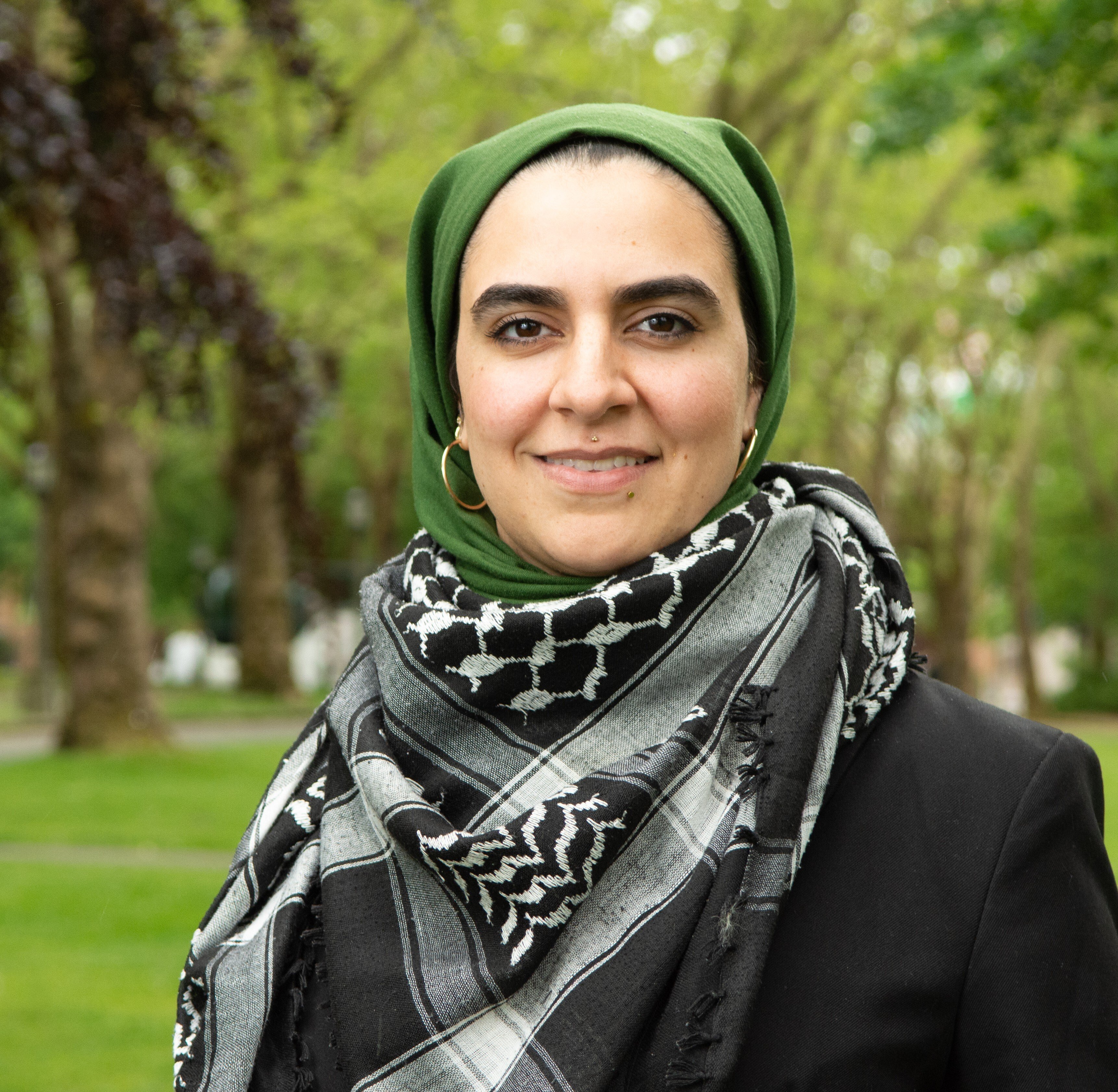
Safa
Peera

Stephanne
Thornton
Tanna
Townsend
Tara
Walker

Terri
Collins-Green

Tracie
Jones
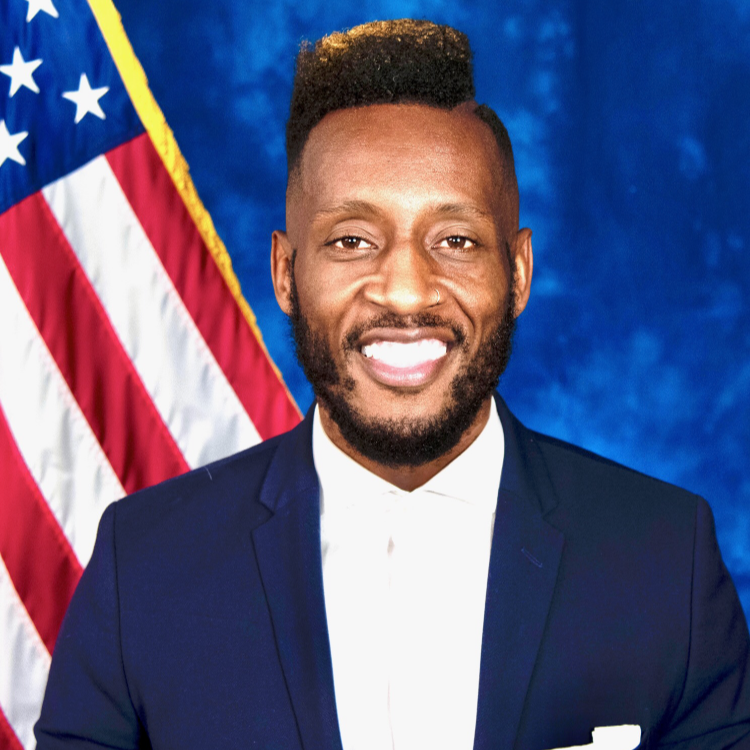
Trey
White

Tricia
Reese
Yes! We are glad to offer a discounted rate of $100.00/person for groups of 10 or more. Please email events@thenapd.org to order tickets in bulk.
Our ability to offer a full or partial refund or credit is dependent on a number of factors, in order to balance the needs of our members with the fiscal responsibility of the association. You can read our full Event Refund & Credit Policy by clicking here.
Please email us at events@thenapd.org and include RJC 2026 in the subject line.